

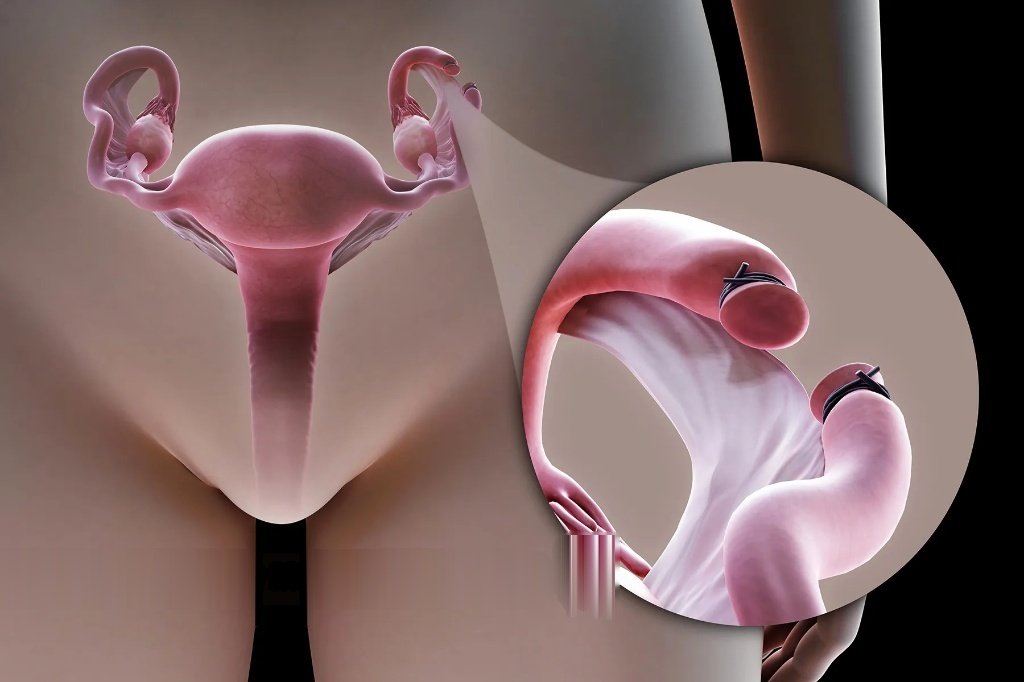
Laparoscopic tubal ligation is a minimally invasive surgical procedure used for permanent contraception in women who have decided they do not wish to have children in the future. The procedure involves blocking, cutting, or sealing the fallopian tubes to prevent the egg and sperm from meeting, thereby preventing pregnancy. It is performed using a laparoscope and specialised instruments inserted through small incisions in the abdomen.
The suitability of laparoscopic tubal ligation depends on several individual factors, including the patient’s certainty about permanent contraception, overall health, previous abdominal or pelvic surgeries, and a clear understanding that the procedure is intended to be irreversible.
When is Laparoscopic Tubal Ligation Considered?
Laparoscopic tubal ligation may be considered for women who:
- Have completed their family and are certain they do not wish to have children in the future.
- Wish to avoid the use of ongoing contraceptive methods.
- Have medical conditions where future pregnancy may pose significant health risks.
- Prefer a permanent method of contraception over reversible options.
- Are undergoing another abdominal or pelvic surgery and wish to have tubal ligation performed at the same time, where appropriate.
Before recommending the procedure, the doctor may evaluate:
- The patient’s certainty and readiness for permanent contraception.
- Overall health and fitness for surgery.
- Previous abdominal or pelvic surgical history.
- Any current pregnancy or recent childbirth, which may affect timing.
- Alternative contraceptive options, including reversible methods, to ensure an informed decision.
- Counselling regarding the permanent nature of the procedure and the possibility, though not certainty, of failure.
A detailed evaluation and counselling session helps ensure that the decision for tubal ligation is well-informed and appropriate for the individual.
What Happens During Laparoscopic Tubal Ligation?
Before the procedure, the doctor reviews the patient’s medical and surgical history and confirms the patient’s decision through appropriate counselling. The procedure is performed under general or regional anaesthesia.
During surgery, a few small incisions are made in the abdomen, through which a laparoscope and specialised instruments are inserted. The fallopian tubes are identified and then blocked using one of several techniques, such as clips, rings, or by cutting and sealing (cauterising) a segment of the tube. This prevents the passage of the egg through the fallopian tube, thereby achieving permanent contraception.
The exact technique used depends on the surgeon’s preference, availability of instruments, and the patient’s individual anatomy.
Recovery After Laparoscopic Tubal Ligation
Recovery after laparoscopic tubal ligation is generally quick, owing to the small incisions involved. Patients are generally advised to follow their doctor’s postoperative instructions carefully.
Important aspects of recovery may include:
- Keeping the small incision sites clean and following wound-care instructions.
- Taking prescribed medications for pain relief, if needed.
- Gradually resuming daily activities while avoiding heavy lifting or strenuous exertion for a short period.
- Attending scheduled follow-up appointments, if advised.
- Understanding that the procedure does not protect against sexually transmitted infections, and discussing any related concerns with the doctor.
Your doctor will provide personalised guidance based on your recovery and overall health.
FAQs
1. Is laparoscopic tubal ligation reversible?
Tubal ligation is intended to be a permanent method of contraception. While a reversal procedure (tubal recanalization) is sometimes possible, success in achieving pregnancy afterward is not guaranteed and depends on several factors. It should be considered permanent at the time of the decision.
2. Does tubal ligation affect my hormones or menstrual cycle?
No. Tubal ligation only blocks the fallopian tubes and does not affect the ovaries or hormone production. Most women continue to have regular menstrual cycles as before the procedure.
3. How effective is laparoscopic tubal ligation as a contraceptive method?
It is a highly effective method of contraception. However, like all contraceptive methods, there is a small failure rate, and your doctor can provide more specific information based on the technique used.
4. How long does it take to recover after laparoscopic tubal ligation?
Recovery is generally quick, with many women able to resume normal daily activities within a few days to a week. Your doctor will guide you based on your individual healing progress.
5. Can tubal ligation be performed right after childbirth?
Yes, in some cases, tubal ligation can be performed shortly after vaginal delivery or at the time of a caesarean section. Your doctor can discuss timing options based on your individual circumstances and preferences.