

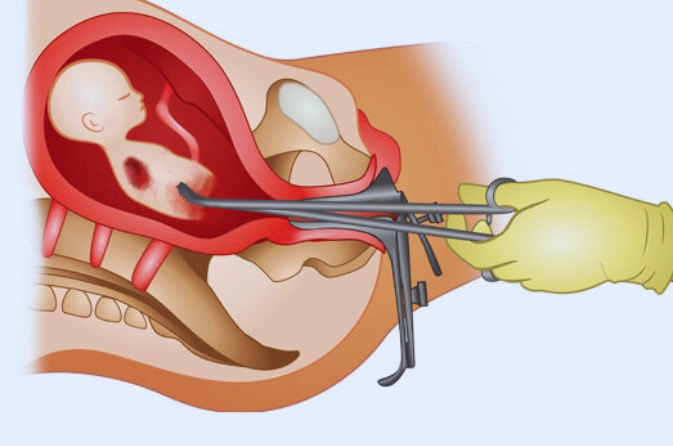
Dilatation and Evacuation, commonly known as D&E, is a surgical procedure used to remove the contents of the uterus, typically performed in the second trimester of pregnancy. It is most often used in cases of fetal demise, missed miscarriage, certain fetal abnormalities, or when a pregnancy termination is medically indicated or chosen. The procedure combines cervical dilation with the use of surgical instruments and suction to safely evacuate the uterine contents.
How to Prepare for D&E
Preparation usually begins a day or more before the procedure, as the cervix needs to be gradually softened and dilated using medication or special dilators (such as laminaria) inserted into the cervix. Your doctor will perform an ultrasound to confirm gestational age and assess the uterus beforehand. You may be advised to fast for a few hours prior to the procedure if sedation or general anesthesia is planned, and you should inform your doctor of any allergies, medications, or health conditions. Arranging for someone to accompany you home afterward is also recommended.
What Happens During D&E
The procedure is typically performed under local anesthesia, sedation, or general anesthesia, depending on individual circumstances and gestational age. Once the cervix is adequately dilated, the doctor uses a combination of surgical instruments and suction to gently remove the uterine contents. An ultrasound may be used during the procedure to help ensure complete evacuation. The procedure usually takes about 15–30 minutes, though preparation time (cervical dilation) may extend the overall process over one or two days. Most patients can go home the same day, though some cases may require a short observation period.
Benefits of D&E
- Considered a safe and effective method for second-trimester uterine evacuation.
- Shorter procedure time compared to labor induction methods.
- Lower risk of retained tissue compared to some alternative methods.
- Can be performed on an outpatient basis in many cases.
- Allows for tissue analysis if needed, particularly in cases of fetal demise or abnormality.
However, the appropriateness of D&E depends on gestational age, medical history, and individual circumstances, and your doctor will discuss whether it is the right option for you.
D&E vs Labor Induction
D&E is a surgical approach, while labor induction is a medical approach that uses medications to induce contractions and labor, resulting in a vaginal delivery of the pregnancy. D&E is generally quicker and may involve a shorter recovery period, while induction may be preferred in certain clinical situations or based on patient preference. Your doctor will help determine the safest and most suitable option based on your specific case.
FAQs
1. Is D&E painful?
Since D&E is performed under local anesthesia, sedation, or general anesthesia, discomfort during the procedure itself is minimized. Some cramping, similar to menstrual cramps, and spotting are common for a few days afterward.
2. How long does the D&E process take, including preparation?
While the surgical part of the procedure takes about 15–30 minutes, cervical preparation (dilation) may take several hours to a day or two beforehand, depending on gestational age and the method used. Your doctor will explain the expected timeline for your specific case.
3. What is the recovery time after a D&E?
Most women can resume light activities within a few days, though it’s advisable to avoid strenuous activity, heavy lifting, swimming, and sexual intercourse for about 1–2 weeks, or as advised by your doctor. Some bleeding or spotting may continue for one to two weeks.
4. Does D&E affect future pregnancies or fertility?
D&E is generally considered safe and, in most cases, does not affect future fertility. As with any uterine procedure, there is a small risk of complications such as scarring, which your doctor can discuss based on your individual history.
5. Will I need a follow-up appointment after D&E?
Yes, a follow-up visit is usually scheduled within a few weeks to ensure proper healing, confirm complete evacuation, and address any concerns. If tissue was sent for testing, your doctor will also discuss the results at this visit.