

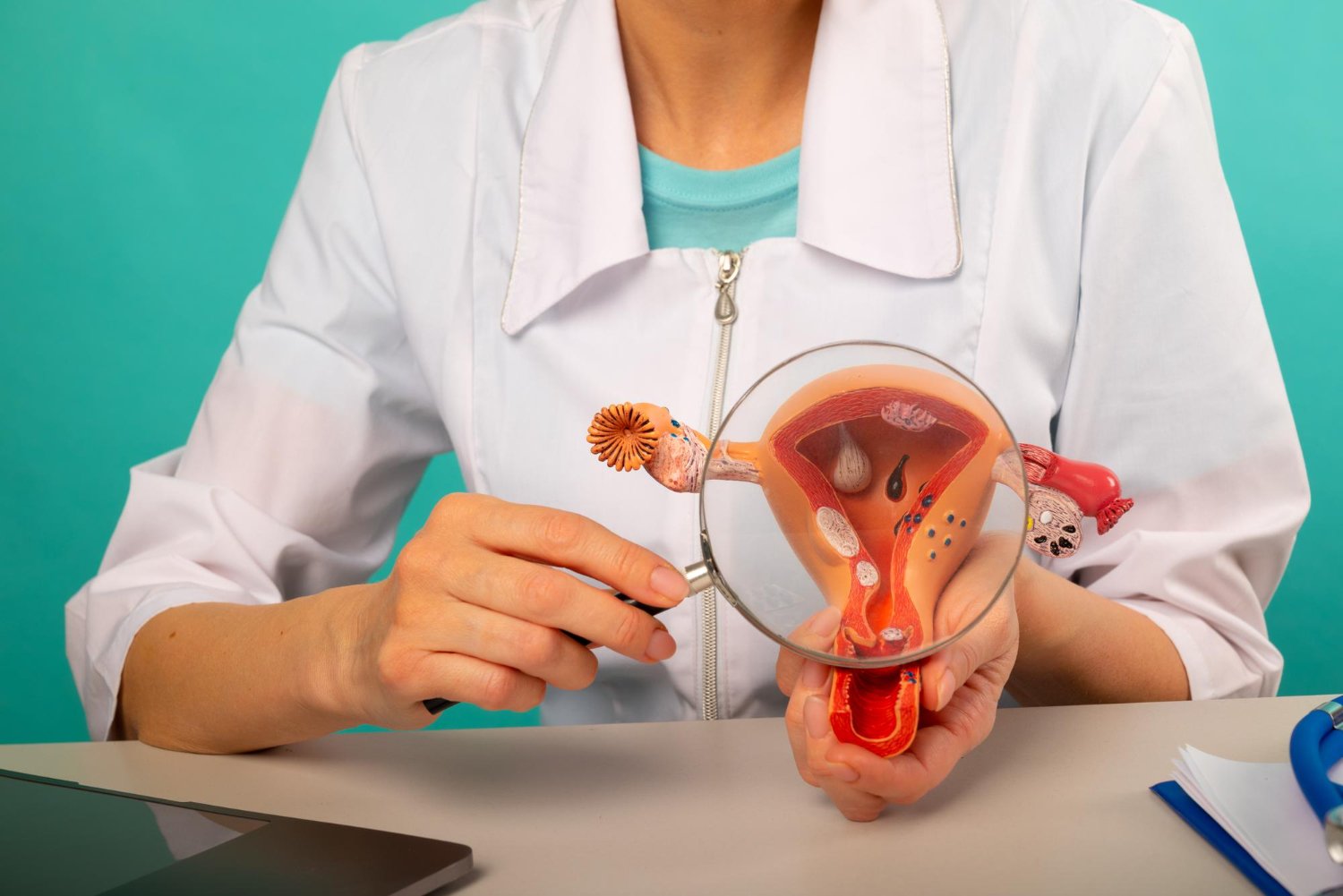
Recanalization of the fallopian tubes, also known as tubal reversal, is a surgical procedure that aims to restore the passage through previously blocked or surgically divided fallopian tubes. It may be considered by women who have previously undergone tubal sterilization and later wish to become pregnant.
The suitability of tubal recanalization depends on several individual factors, including the type and location of the previous tubal procedure, the remaining healthy length of the fallopian tubes, age, fertility factors, and the overall reproductive health of both partners.
When is Fallopian Tube Recanalization Considered?
Fallopian tube recanalization may be considered for women who have previously undergone tubal sterilization and wish to attempt pregnancy naturally.
Before recommending the procedure, the doctor may evaluate:
- The type of previous tubal sterilization.
- The location and extent of tubal blockage or damage.
- The remaining healthy portion of the fallopian tubes.
- Age and overall reproductive health.
- Ovarian and uterine health.
- Other fertility factors affecting the couple.
A detailed evaluation helps determine whether tubal recanalization may be an appropriate option.
What Happens During Fallopian Tube Recanalization?
Before the procedure, the doctor reviews the patient’s medical and surgical history and evaluates the condition of the fallopian tubes. The procedure is performed under appropriate anaesthesia.
During surgery, the blocked or separated portions of the fallopian tubes are carefully identified. Where technically possible, the healthy sections of the tubes are reconnected to restore their continuity and create a pathway between the uterus and the ends of the fallopian tubes.
The exact surgical approach depends on the previous sterilization procedure and the condition of the fallopian tubes.
Recovery After Tubal Recanalization
Recovery after fallopian tube recanalization varies depending on the surgical technique and individual circumstances. Patients are generally advised to follow their doctor’s postoperative instructions carefully.
Important aspects of recovery may include:
- Keeping the surgical area clean and following wound-care instructions.
- Taking prescribed medications as advised.
- Avoiding strenuous activities until recommended by the doctor.
- Attending scheduled follow-up appointments.
- Discussing when it is appropriate to resume sexual activity and attempt pregnancy.
Your doctor will provide personalised guidance based on your recovery and overall reproductive health.
Benefits and Considerations of Fallopian Tube Recanalization
When technically suitable, tubal recanalization may provide an opportunity to attempt pregnancy naturally after previous tubal sterilization. It may also allow the possibility of more than one pregnancy without requiring fertility treatment for every conception.
However, successful restoration of tubal continuity does not guarantee pregnancy. The chances of conception depend on factors such as age, tubal condition, ovarian function, sperm health, and other fertility-related factors.
There is also a risk of ectopic pregnancy after tubal surgery. Appropriate medical follow-up is therefore important if pregnancy occurs.
Tubal Recanalization vs IVF
Tubal recanalization and in-vitro fertilisation (IVF) are different approaches to achieving pregnancy.
Tubal recanalization attempts to restore the natural pathway through the fallopian tubes, allowing fertilisation to occur naturally. IVF, on the other hand, involves fertilisation outside the body followed by transfer of an embryo into the uterus.
The appropriate option depends on individual fertility factors, previous sterilization details, age, and the condition of the reproductive system. A fertility specialist or gynaecologist can help determine which approach may be suitable.
FAQs
1. What is recanalization of fallopian tubes?
Recanalization of the fallopian tubes, also known as tubal reversal, is a surgical procedure that attempts to restore the passage through fallopian tubes that were previously blocked or divided during tubal sterilization.
2. Who may be suitable for fallopian tube recanalization?
Women who have previously undergone tubal sterilization and later wish to attempt pregnancy may be considered for tubal recanalization. Suitability depends on factors such as the type of previous surgery, the condition of the fallopian tubes, age, and other fertility factors.
3. Can I get pregnant naturally after tubal recanalization?
Tubal recanalization aims to restore the natural pathway through the fallopian tubes, which may allow natural conception. However, pregnancy cannot be guaranteed because fertility depends on several factors affecting both partners.
4. How long does recovery take after tubal recanalization?
Recovery varies depending on the surgical technique and individual circumstances. Your doctor will provide specific instructions regarding wound care, physical activity, follow-up, and when it may be appropriate to attempt pregnancy.
5. Is pregnancy safe after fallopian tube recanalization?
Pregnancy may occur after successful tubal recanalization, but there is an increased risk of ectopic pregnancy following tubal surgery. Early medical evaluation after a positive pregnancy test is important to confirm that the pregnancy is developing in the uterus.