

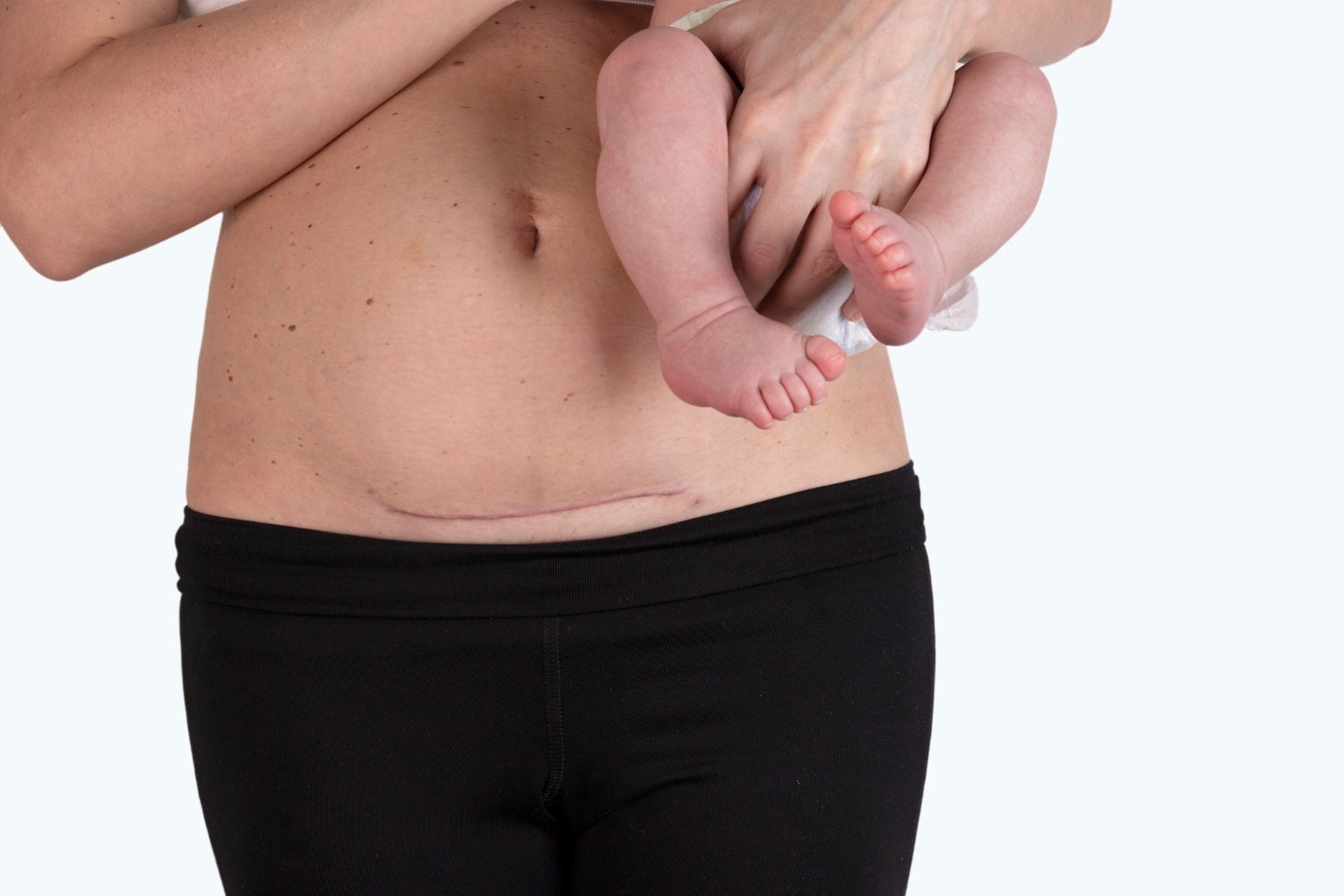
A Caesarean section, commonly known as a C-section, is a surgical method of childbirth in which the baby is delivered through an incision made in the mother’s abdomen and uterus. A C-section may be planned in advance or performed during labour when vaginal delivery is not considered safe or suitable for the mother or baby.
With proper antenatal care, regular monitoring, and guidance from an obstetrician, women can understand their delivery options and prepare for a safe childbirth experience.
When is a Caesarean Section Recommended?
A C-section may be recommended when certain conditions make vaginal delivery less suitable or potentially unsafe. Some situations may include:
- Certain abnormal fetal positions.
- Placenta-related complications.
- Signs of fetal distress.
- Labour that does not progress as expected.
- Certain previous uterine surgeries.
- Other maternal or fetal health conditions.
Your obstetrician will evaluate your individual pregnancy and recommend the safest mode of delivery based on your and your baby’s clinical condition.
What Happens During a Caesarean Section?
Before the procedure, the obstetrician will discuss the reason for the C-section, the surgical procedure, possible risks, recovery, and postoperative care.
Anaesthesia is administered to help keep the mother comfortable during surgery. The baby is delivered through an incision made in the abdomen and uterus. After delivery, the baby is assessed by the medical team, while the mother is monitored during the initial recovery period.
Recovery After Caesarean Section
Recovery after a C-section generally takes longer than recovery after an uncomplicated vaginal delivery because it is an abdominal surgery. Proper postoperative care can support a smoother recovery.
Important aspects of recovery may include:
- Following your doctor’s wound-care instructions.
- Taking prescribed medications as advised.
- Gradually increasing physical activity.
- Maintaining adequate nutrition and hydration.
- Attending recommended follow-up appointments.
- Following medical advice regarding daily activities and recovery.
Your recovery time may vary depending on your overall health, the reason for the C-section, and whether any complications occurred.
Caesarean Section vs Normal Delivery
Both vaginal delivery and Caesarean section can be safe methods of childbirth when appropriate for the individual pregnancy. A C-section is a surgical procedure and generally involves a longer recovery than an uncomplicated vaginal delivery.
The mode of delivery should not be decided solely on preference or comparison. Your obstetrician will consider factors affecting the mother and baby and recommend the safest option based on the clinical situation.
FAQs
1. What is a Caesarean section?
A Caesarean section, or C-section, is a surgical method of childbirth in which the baby is delivered through an incision made in the mother’s abdomen and uterus.
2. When is a C-section recommended?
A C-section may be recommended when vaginal delivery is not considered safe or suitable, such as in certain fetal positions, placenta-related complications, fetal distress, failure of labour to progress, certain previous uterine surgeries, or other maternal and fetal conditions.
3. Is a C-section planned in advance?
Some Caesarean sections are planned in advance when a medical condition is identified during pregnancy. Others may be performed during labour if an unexpected complication makes Caesarean delivery the safer option.
4. How long does it take to recover after a C-section?
Recovery after a C-section generally takes longer than recovery after an uncomplicated vaginal delivery because it involves abdominal surgery. Recovery varies from person to person and depends on individual health and the circumstances of the procedure.
5. Is a C-section safe for the mother and baby?
When medically indicated and performed with appropriate surgical and postoperative care, a C-section can be a safe method of childbirth. The decision should always be based on the individual clinical condition and well-being of the mother and baby.