A high-risk pregnancy is a pregnancy in which the mother, baby, or both may have a higher risk of health complications. With early diagnosis, regular antenatal care, and close medical monitoring, many high-risk pregnancies can be managed safely.
What Is a High-Risk Pregnancy?
A pregnancy may be considered high-risk due to existing health conditions, pregnancy-related complications, or factors affecting the mother or baby. Your obstetrician may recommend additional check-ups, tests, scans, or specialist care based on your individual condition.
Common Causes of High-Risk Pregnancy
Some factors that may increase pregnancy risks include:
- High blood pressure or diabetes.
- Multiple pregnancy, such as twins or triplets.
- Previous pregnancy complications.
- Certain maternal health conditions.
- Problems involving the placenta or baby’s growth.
- Pregnancy at an age where additional monitoring may be recommended.
Having a high-risk pregnancy does not necessarily mean that complications will occur. Regular medical care can help identify and manage potential problems early.
High-Risk Pregnancy Care
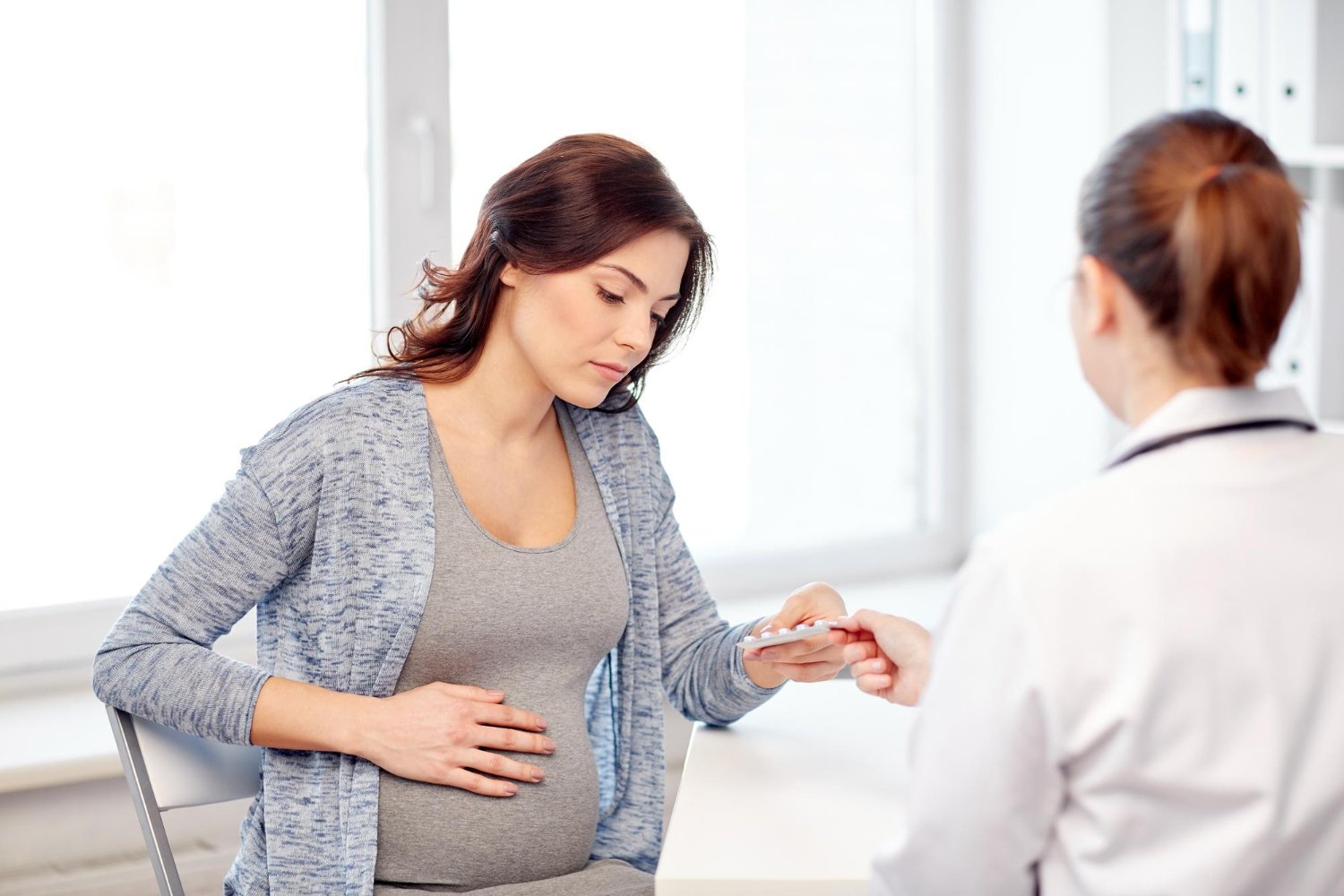
Women with high-risk pregnancies may need more frequent antenatal visits and additional monitoring. Your doctor may recommend blood tests, ultrasound scans, fetal monitoring, medication, dietary changes, or other treatments depending on the situation.
Following medical advice, attending scheduled appointments, maintaining a healthy lifestyle, and reporting unusual symptoms promptly are important parts of pregnancy care.
1. What is a high-risk pregnancy?
A high-risk pregnancy is one where the mother or baby has a higher-than-usual chance of developing health complications during pregnancy, labour, or delivery.
2. What causes a high-risk pregnancy?
It can be associated with conditions such as high blood pressure, diabetes, multiple pregnancy, previous pregnancy complications, certain maternal medical conditions, or concerns affecting the baby’s growth or development.
3. Can a high-risk pregnancy be managed safely?
Yes. Many high-risk pregnancies can be managed successfully with early diagnosis, regular monitoring, appropriate treatment, and specialist medical care when needed.
4. What symptoms require immediate medical attention?
Seek medical advice promptly for heavy bleeding, severe abdominal pain, severe headache or vision changes, leaking of fluid, reduced fetal movements, difficulty breathing, or other unusual or concerning symptoms.
5. Does high-risk pregnancy always require a C-section?
No. A high-risk pregnancy does not automatically mean that a C-section is required. The safest mode of delivery depends on the mother’s health, the baby’s condition, and other clinical factors.